
Optimal Timing for Asphalt Sealings
Understanding the optimal time for asphalt sealings is essential for maximizing durability and effectiveness. Proper timing ensures the asphalt surface is prepared and conditions are ideal for sealing application, leading to longer-lasting results and better protection against weather and wear.
Spring is often considered ideal due to rising temperatures and dry conditions, which promote proper curing.
Summer offers warm weather and low humidity, facilitating efficient sealing and quick drying times.
Fall can be suitable when temperatures are moderate, but early frost or rain may impact the process.
Winter is generally not recommended due to cold temperatures and increased moisture risk, which can hinder adhesion and curing.
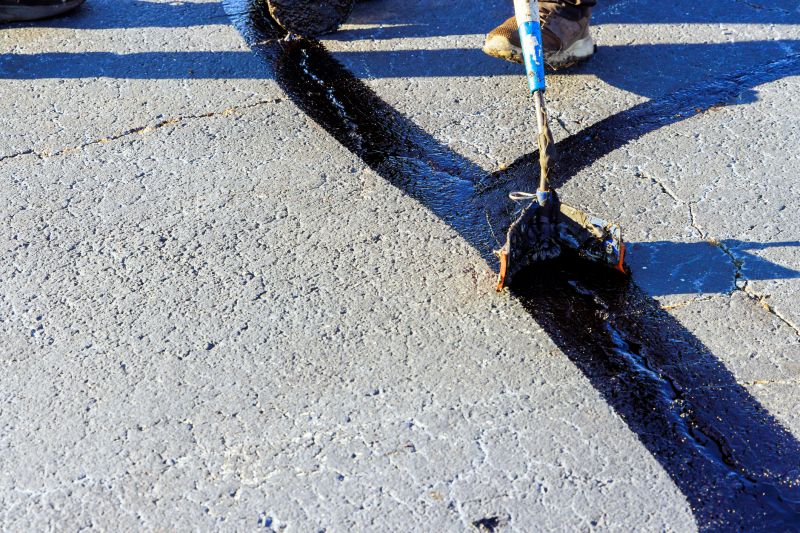
Spring sealing benefits from warmer weather and minimal moisture, ensuring effective application.
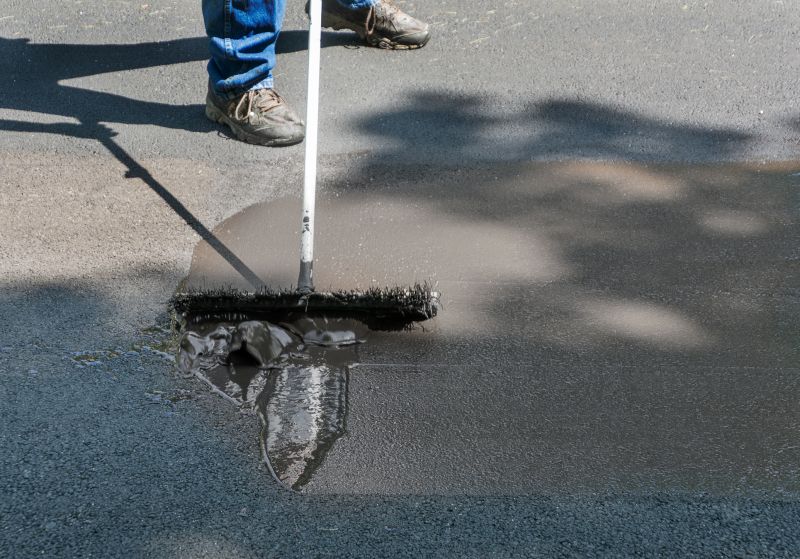
Summer conditions promote quick drying and strong adhesion for asphalt sealings.
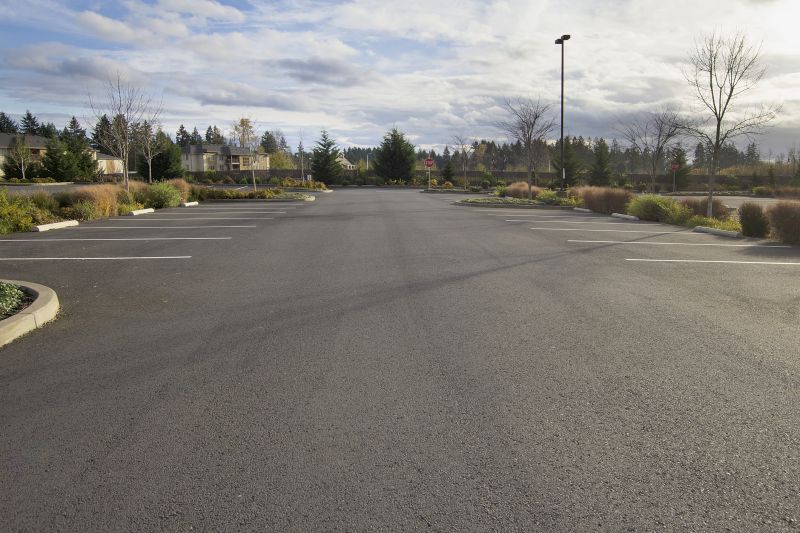
Fall offers moderate temperatures, but early frost can limit sealing opportunities.

Ways to make Asphalt Sealings work in tight or awkward layouts.
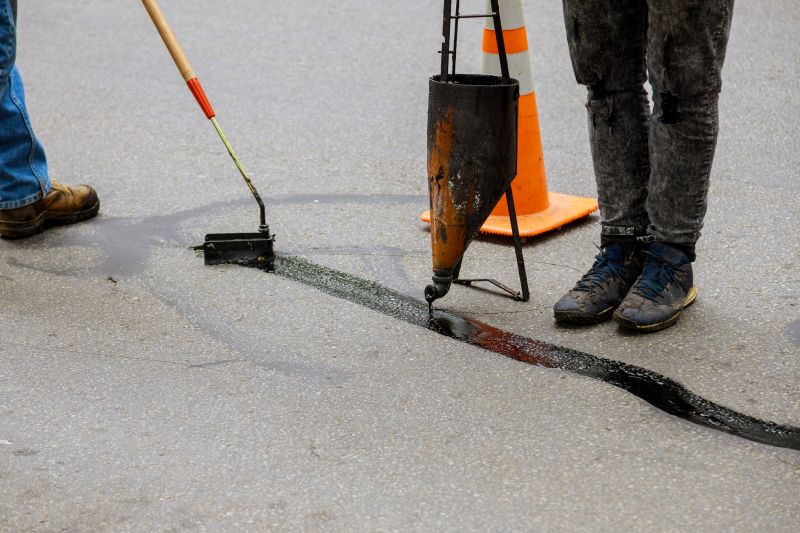
Popular materials for Asphalt Sealings and why they hold up over time.
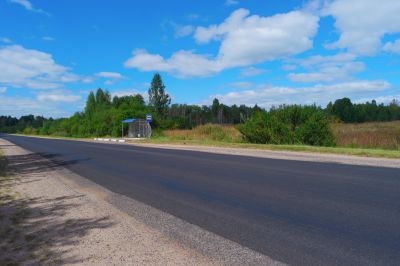
Simple add-ons that improve Asphalt Sealings without blowing the budget.
| Season | Ideal Conditions |
|---|---|
| Spring | Moderate temperatures, dry weather, no frost |
| Summer | Warm temperatures, low humidity, dry conditions |
| Fall | Mild temperatures, minimal rain, no early frost |
| Winter | Cold temperatures, high moisture, not recommended |
Asphalt sealings serve as a protective layer that extends the lifespan of pavement surfaces by shielding them from water penetration, UV damage, and surface wear. Properly applied sealings can significantly improve the appearance of asphalt and prevent costly repairs. Regular sealing can also help maintain the surface's structural integrity, especially in climates with significant temperature fluctuations or heavy traffic.
Statistics indicate that asphalt sealings can extend pavement life by up to 50 percent when applied at optimal times and maintained properly. The process involves cleaning the surface thoroughly, allowing it to dry, and then applying a sealant evenly. Proper timing ensures the sealant bonds effectively, providing a durable barrier against environmental damage.
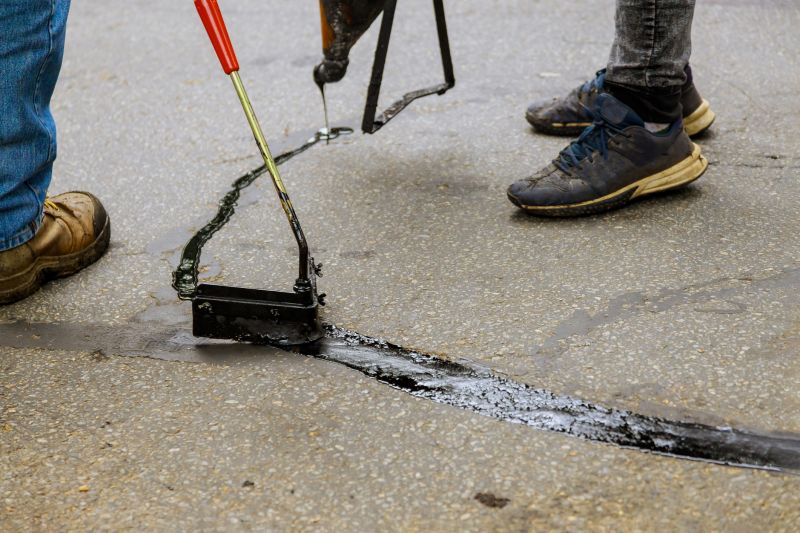
Proper application techniques are crucial for optimal sealing results.
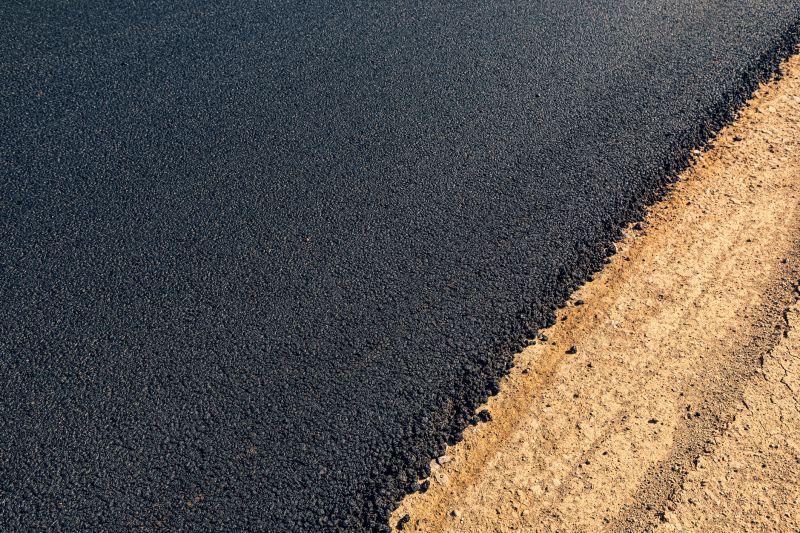
A well-sealed surface appears smooth and uniform, offering long-term protection.
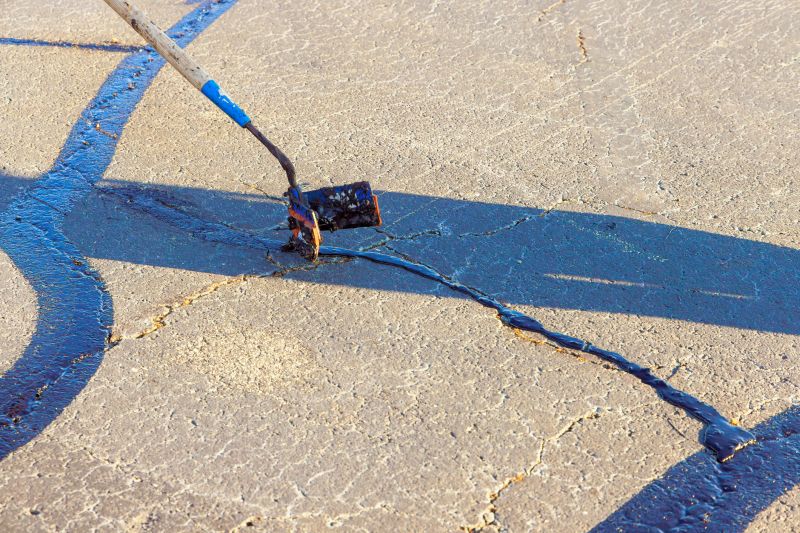
Regular inspections and reapplications extend the lifespan of asphalt surfaces.
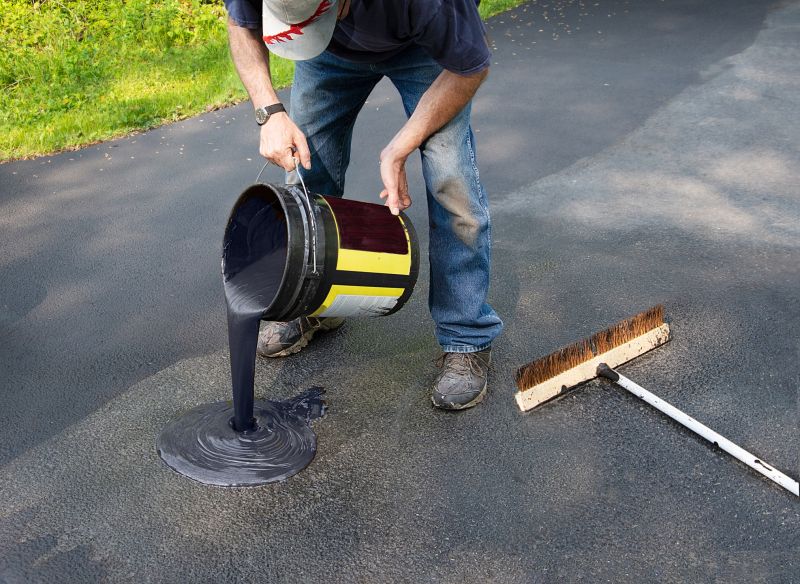
Ideal weather conditions are essential for effective sealant curing.
To ensure the best results, it is recommended to schedule asphalt sealings during periods of stable, dry weather with moderate temperatures. Avoid sealing during rain, snow, or extreme cold, as these conditions can compromise adhesion and curing, reducing the effectiveness of the sealant.
Interested in scheduling asphalt sealings? Filling out the contact form can provide more information and help determine the most suitable timing for specific pavement needs in Roseville, CA.